

Clear Vision, Clear Purpose Through EyeCan
Paavni Mahendra
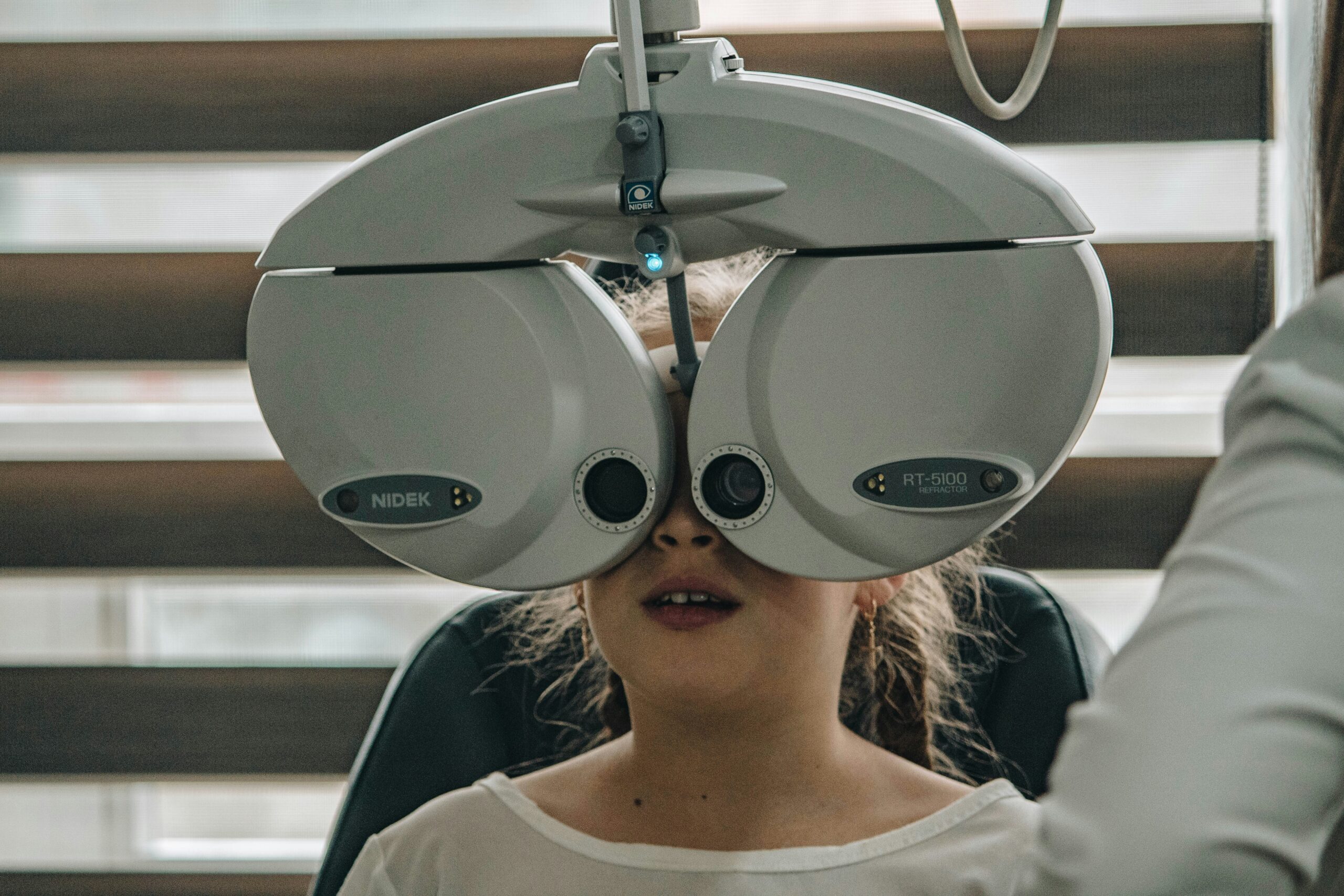
In many parts of India, clear vision is not guaranteed. It is a privilege instead. For millions of children struggling to read classroom boards, elders losing their independence and adults compromising on their productivity, preventable vision problems quietly shape daily life. Paavni Mahendra saw this reality not just as a health issue, but as a social equity challenge. Her response was to start EyeCan, a student-led social venture built on the simple but powerful belief that no one’s potential should be limited by preventable vision issues.
According to national estimates as per Paavni’s research, India faces a staggering eye health crisis. 133 million people in the country live with uncorrected or untreated vision impairment, preventable in many cases with early screening and basic interventions. Yet the barriers extend beyond cost to lack of awareness, limited access to regular screenings and delayed care mean that eye problems can often go unnoticed until they significantly affect the quality of life of these individuals. Paavni also identified another overlooked issue: healthcare outreach efforts can generate unnecessary waste through excessive single-use materials and inefficient resource use. She then asked a bold question: Can EyeCan be both accessible and sustainable in its efforts?
At its core, EyeCan was designed as a student-led initiative focused on underserved rural and semi-urban communities. Its mission combines two global priorities in the form of Sustainable Development Goal (SDG) 3 (good health and well-being) and SDG 12 (responsible consumption and production). Instead of relying heavily on printed materials and newly manufactured supplies, EyeCan emphasizes digital education through social media, reusing donated products like spectacles, minimal paper use, efficient transportation planning and reusable screening tools. Paavni’s model is intentionally simple and ultimately replicable.
Paavni tested her assumptions through a concierge minimum viable product. The components of this included personally delivering eye health education, screenings and spectacles to a small group. The first session took place a seniors’ home in Kanpur city, India. The results were telling as there was 100% participation. 40 participants attended, 40 were screened and 30 received near-vision spectacles. Additionally, 1-10 expressed willingness to seek follow-up care if advised.
Participants shared that the session felt reassuring rather than intimidating. What surprised Paavni the most was how many elderly participants had been living with correctable vision problems for years without realizing they were preventable. For many, it was the first time eye care had been explained in simple language and with patience. They appreciated receiving their glasses immediately rather than being elsewhere, which is often a common barrier in traditional systems. Trust was built among the participants through respectful conversation and collaboration with a professional ophthalmologist.
Paavni’s ambition for EyeCan extends beyond community workshops. Through her proposed policy proposal, she envisions a legislative framework supporting community-based eye health programs. The proposed model would establish formal partnerships between the Ministry of Health, eye hospitals and NGOS, prioritize donated and reusable spectacles. It would involve conducting awareness sessions and screenings in underserved areas. What makes EyeCan powerful is not just its social intent but also its systems thinking. The initiative recognizes that awareness is as critical as affordability and that early intervention prevents lifelong consequences.