

Building Academic Support for First-Generation Learners
Mallika Garg
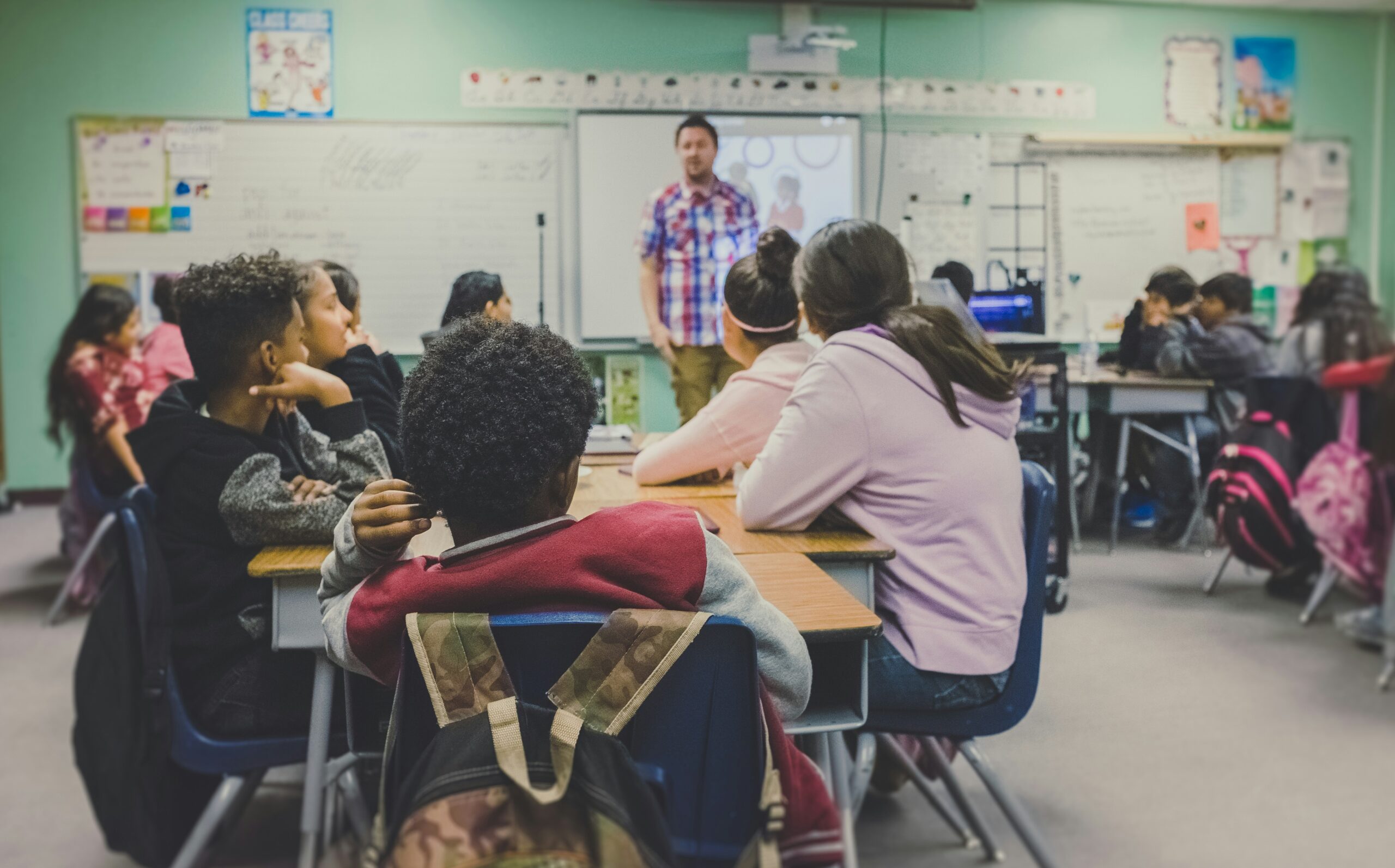
In many households across India, education is still both a dream and a gamble. For children of domestic workers, who are often first-generation learners, the journey through secondary school is marked not by lack of intelligence but by lack of support. Mallika Garg is working to change that. Her social venture focuses on a simple yet powerful idea: structured, small-group academic support for students in grades 8 to 10 from domestic-worker households, combined with consistent with progress tracking and guidance on academic pathways. Though currently in its pilot stage, the model is designed with scalability, systems integration and long-term equity in mind.
Mallika’s project is rooted in firsthand observation. In her neighborhood alone, children of domestic workers frequently struggle in school. It is not because they lack ability but because they lack academic guidance outside the classroom. Many parents cannot assist with homework due to low literacy levels or unfamiliarity with school systems. Students often miss key exams or academic opportunities simply because no one tells them they exist. One law aspirant, Mallika observed, missed the opportunity to sit for a law entrance exam due to lack of awareness and access. This reality connects directly to Sustainable Development Goal 4 (Quality Education, particularly targets 4.1 and 4.5). Mallika’s initiative aims to intervene before failure happens.
Mallika’s project model is intentionally small and focused. Her initial pilot targets five grades 8 to 10 students from domestic-worker households in Mallika’s neighborhood. At its core, her project provides weekly small-group academic support sessions of 2 hours each, clarification of homework questions, identification of subject-wise learning gaps, creation of individual academic progress files and periodic guidance on exams and subject choices. The immediate goal she anticipates from these activities is improved academic understanding, consistent homework completion and better exam preparedness. Her long-term vision extends further into reduced grade repetition, improved annual performance, informed subject choices after grade 10 and sustained educational aspirations and pursuits.
Mallika approaches the venture with entrepreneurial discipline. Rather than launching at scale immediately and running the risk of implementation gaps, she ran a concierge minimum viable product test. Her core assumption was that small-group academic support combined with structured progress tracking can lead to measurable academic improvement within a short time-frame. While the pilot begins locally, Mallika’s ambitions do extend beyond community tutoring. She has outline a policy proposal where she describes a scalable public program that would require schools to identify first-generation learners in grades 8-10, provide scheduled small-group sessions and academic support, offer guidance on subject choices and exams, and track student progress. Implemented through state education departments and public schools, her policy proposal envisions increasing pass rates by 20% compared to baseline government data.
What makes Mallika’s initiative compelling is its structure as well as its philosophy. The project reframes underperformance as absence of scaffolding instead of inability. By identifying students early, tracking progress and adjusting support before failure becomes permanent, her model prevents academic setbacks before they harden into life barriers.