

Reimagining Civic Education by Amplifying Student Voices
Anshika Bindal
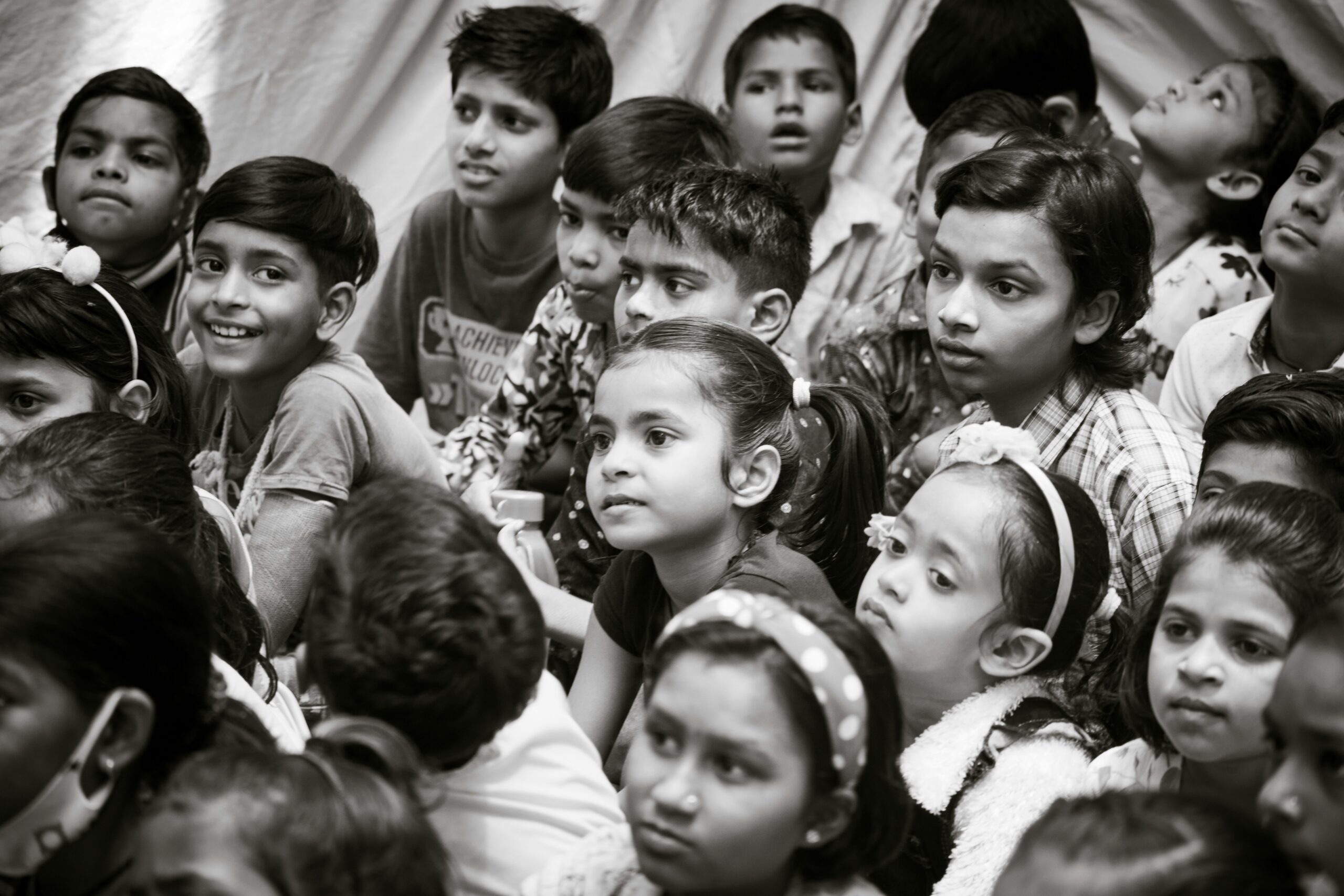
In classrooms across the country, students are taught about democracy, citizenship and global responsibility. Yet, for many young people, opportunities to practice these roles and values remain limited. Leadership roles are often reserved for only a small group of representatives, and meaningful discussions on social and global issues rarely extend beyond textbooks.
Anshika Bindal set out to change all that through her social venture the Humanities Hub. She is building student-led safe spaces in schools where young people can engage in thoughtful dialogue about global, social and civic issues. At its core, the Humanities Hub is not just a club or program. It is actually a movement to amplify student voices and embed empathy and participation into everyday school life.
The problem Anshika identified is both clear and urgent: most schools lack structured, inclusive spaces where students can openly discuss social, civic and global issues. As a result, many students feel disengaged and unheard, limiting their opportunities to develop empathy, critical thinking and democratic values. Humanities Hub addresses this gap by creating Humanitarian Hotspots – student-led discussion forums supported by trained mentors. These forums host dialogues, simulations, and civic activities that encourage peer-led exchange rather than teacher-domination instruction-style classes. The emphasis is deliberate as students are envisioned not as passive recipients of information but active participants in shaping conversations that impact them.
To launch her venture, Anshika adopted a thoughtful, experiment-driven approach. She began with a Mini Pilot and Concierge Test, hosting 2-3 Humanities Hub sessions and a Humanitarian Hotspot to assess student interest and engagement in the model. The pilot involved 15-25 middle and senior school students supported by a teacher mentor. Success was measured not just by attendance but also by active participation of students in the discussion, quality of dialogue, and the number of students volunteering for future sessions or leadership roles for the venture.
The results were encouraging as students were more open and thoughtful when given a structured and safe space. They requested clearer themes, more interactive activities and regular sessions. Anshika chose to persevere with the pilot, expanding the Hub and piloting an inter-state pen-pal program to deepen the program.
At its heart, the Humanities Hub challenges a long-standing assumption about education – that academic success alone prepares students for the world. Anshika Bindal’s work suggests that students need spaces to practice dialogue, empathy and civic responsibility while they are still in school. By creating structured student-led platforms for discussion, she is nurturing a generation that does not merely learn about democracy but lives it.